Hello, I’m Veronica
The sky is not completely dark at night. Were the sky absolutely dark, one would not be able to see the silhouette of an object against the sky.


-
Global Report on Food Crises 2022 Mid-Year
The highest number of acutely food-insecure people in GRFC history
By mid-2022, the population facing the three highest phases of acute food insecurity was greater than at any point in the six-year history of the Global Report on Food Crises (GRFC).
According to the GRFC 2022 Mid-Year Update, the number of people in Crisis or worse (IPC/CH Phase 3 or above) or equivalent – that is the number of people requiring urgent humanitarian assistance – is forecast to reach up to 205.1 million in 45 of the 53 countries/ territories included in the GRFC 2022, published in May 2022.1
This number includes14 new or updated 2022 peak estimatesthat were released since the publication of the annual report. For the majority of these estimates, the number of people facing Crisis or worse (IPC/CH Phase 3 or above) or equivalent has been revised upwards since 2021.2
For these 45 countries/territories, the data included in this GRFC 2022 Mid-Year Update represents an increase of up to 29.5 million people between 2021 and 2022 despite many populations in food crisis receiving humanitarian and development assistance, suggesting that needs continue to surpass current support and capacities.
This increase must be interpreted with care, given that it can be attributed to both a worsening acute food insecurity situation and an expansion in the population analysed (12 percent) between 2021 and 2022.
However, even when considering the share of the analysed population in Crisis or worse (IPC/CH Phase 3 or above) or equivalent, the proportion of the population in these phases has increased in 2022 compared to 2021.
Report detailsPrimary countryWorldAfghanistanAngolaBangladeshBurkina FasoBurundiCameroonCentral African RepublicChadDemocratic Republic of the CongoEl SalvadorEswatiniEthiopiaGuatemalaHaitiHondurasKenyaLesothoMadagascarMalawiMaliMozambiqueMyanmarNamibiaNigerNigeriaoccupied Palestinian territoryPakistanSierra LeoneSomaliaSouth SudanSudanSyrian Arab RepublicUgandaUkraineYemenZambiaZimbabweFood Security Information NetworkAfghanistan: Drought – 2021-2022Ethiopia: Drought – 2015-2022Kenya: Drought – 2014-2022Madagascar: Drought – 2018-2022Pakistan: Drought – 2021-2022Somalia: Drought – 2015-2022South Sudan: Food Insecurity – 2015-2022Southern Africa: Drought – 2018-2022Syria: Drought – 2021-2022
-
-
WORLD HEALTH SUPPORT
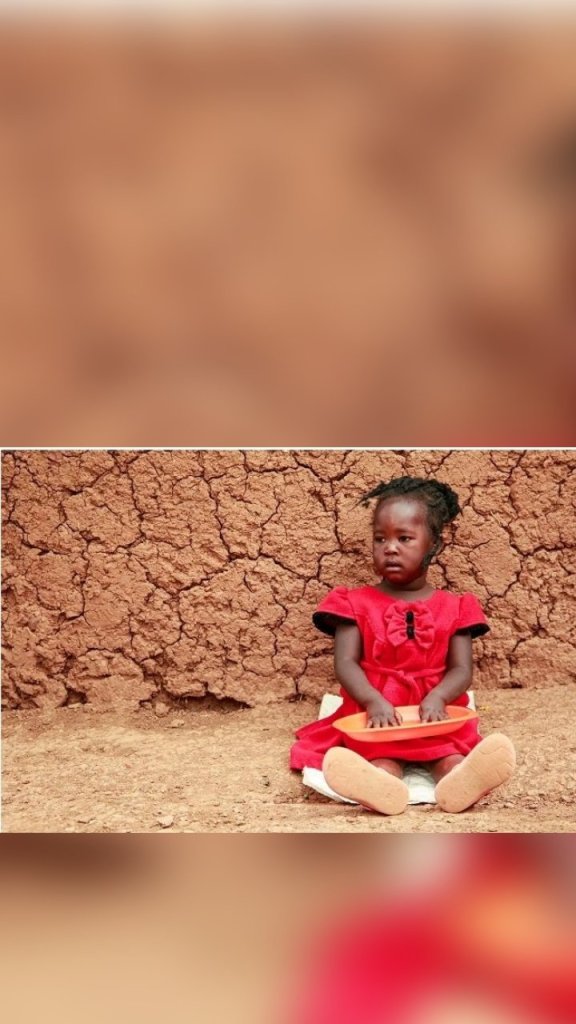
More than a Quarter of People in the World’s Worst Food Crisis are Living in West and Central Africa
Format News and Press ReleaseSource
Posted17 Oct 2022Originally published17 Oct 2022OriginView original
Media Contact:* Diana Oberoi +1.202.286.1421 (O)
FAIRFIELD, Conn. (October 16, 2022) – 58 million people1 across West and Central Africa, including nearly 29 million children, are now acutely food insecure and in need of urgent food assistance, says an alliance of leading international NGOs in the region.
On World Food Day, the Joining Forces Alliance, including Save the Children, World Vision, SOS Children’s Village, Terre des Hommes, Educo, and Plan International, have raised the alarm on the dire situation of food insecurity and hunger crisis in West and Central Africa.
Millions of households are now facing serious food shortages that greatly reduce their daily food consumption, which is leading to high or severe acute malnutrition and foodborne illness. Among them, 8 million people are currently experiencing severe food insecurity (IPC 4)2 and could tip into famine if urgent action isn’t taken.
More than half of the households affected by this acute food insecurity are in the Democratic Republic of Congo (DRC) and Nigeria, while in the central Sahel, which includes Burkina Faso, Mali, and Niger, over 12.7 million3 people, are affected. Nigeria remains among the countries of greatest global concern for the period of October 2022 to January 20234 and for which immediate assistance is required.
Philippe Adapoe, Regional Director for Save the Children in West and Central Africa Region, said:
“2022 has been one of the most difficult years for children and their families in West and Central Africa, with this year’s lean season has been one of the worst in 10 years. Those living in regions impacted by conflict have been the most affected. As a result, malnutrition rates among children under five have soared.
“Enough is enough; it’s time for concrete action to prevent a catastrophe from happening right before our eyes.” The food security and nutritional status of the population, especially women and children, have been severely compromised and worsened by conflict, the long‐term consequences of the restriction of activities due to the COVID‐ 19 pandemic, and now the constant rise of costs of basic foodstuffs, fuel and fertilizer. Conflict has left many families without access to their fields and has also resulted in a wave of internally displaced people in need. Added to this, the effects of climate change with floods damaging crops or reduced production of cereals and vegetables due to less and scarce rainfall.
“I would like the government to lower food prices. Everything is expensive; the price of rice, fish, and bread has increased. We barely have money to buy food supplies” Aminetou* 11 Years old, Mauritania.
Many families have told NGO staff they can no longer provide more than one meal a day for their children, and some even say that they cannot guarantee a single meal a day. These meals consist primarily of local products with a poorly balanced diet, which unfortunately does not provide the necessary energy and nutrients for the body.
Carla Denizard, Regional
Leader for World Vision in West Africa, said:
“Children must be protected, and that means responding quickly to the ongoing food crisis and taking preventive measures. With schools currently opening in most countries in the region, it is important to ensure that there is enough healthy food to allow children to be healthy and enjoy their right to go to school and stay there.”
The Joining Force Alliance calls on local decision-makers and the international community to prioritize the Food Crisis in the West and Central Action and to take measures to:
Strengthen national food security systems, increase equitable, inclusive, and child-sensitive social protection systems and prioritize cash transfers to better support acutely food insecure families.
Develop and expand nutrition‐sensitive social protection programs targeting households most at risk. Ensure most vulnerable children and their families have access to affordable, nutritious food and adequate health services, including pregnant and lactating women as well as infants and children under 5.
- Maintain coverage of prevention and treatment programs for acute malnutrition, particularly in hotspots identified by the household analysis.
- Strengthen the capacity of national actors to respond to climate shocks.
- Advocate for donors, decision-makers, and national governments to commit for greater investment and anticipatory action to face food insecurity.
- Notes to editors
Up to 201 M people in IPC/CH Phase 3 or above or equivalent in 45 countries/territories with data in 2021 and new data available for 2022 and Hunger Hotspots FAO‑WFP early warnings on acute food insecurity October 2022 to January 2023 Outlook, P16 The IPC Acute Food Insecurity scale categorizes acute food insecurity into five Phases of severity, ranging from IPC Phase 1, corresponding to No/Minimal acute food insecurity, to IPC Phase 5, corresponding to Catastrophe/Famine. IPC 3 corresponds to crisis. More details here
Joint analysis – Global report on food crises
Joining Forces is an alliance of the six largest international NGOs (ChildFund Alliance, Plan International, Save the Children International, SOS Children’s Villages International, Terre des Hommes International Federation, and World Vision International) working for; and with children under the age of 18 to realize their rights and end all violence against them.
Save the Children believes every child deserves a future. Since our founding more than 100 years ago, we’ve changed the lives of more than 1 billion children. In the United States and around the world, we give children a healthy start in life, the opportunity to learn and protection from harm. We do whatever it takes for children – every day and in times of crisis – transforming their lives and the future we share. Follow us on Facebook, Instagram, Twitter and YouTube.
-
Video shows confused Florida felons over voter fraud arrestsSOUTHEASTJ.J. Bullock, Brian Entin, Tyler WornellPosted: OCT 18, 2022 / 05:25 PM CDT | Updated: OCT 18, 2022 / 05:25 PM CDT
Body camera footage taken by local police officers in Florida shows authorities arresting baffled felons for attempting to vote in elections, as part of Gov. Ron DeSantis’ purported crackdown on voter fraud.
The body camera footage became public after it was obtained by the Tampa Bay Times through a public records act request. The footage shows 19 people being handcuffed as they plead for answers from officers.
The group is accused of voting illegally in the 2020 election because they had previously been convicted of murder or sex offenses, according to the Florida Department of Law Enforcement. While a Florida constitutional amendment restored some felons’ rights to vote in Florida, it did not include that group.DeSantis previously announced the arrests in August.
“They did not go through any process. They did not get their rights restored, and yet they went ahead and voted anyway,” DeSantis said at the time. “That is against the law and they will pay the price for it.”
Biden vows abortion legislation as top priority next year
Some of the suspects seemed confused during their arrests — claiming voting groups encouraged them to register to vote.
“Why would you all let me vote if I wasn’t able to vote?” one of the arrestees says in the video. “And why now? This happened years ago.”
State law does say the voters had to “willfully” commit the crime, so it’s possible if voter groups told them they were allowed to vote and they were just following their advice, they could ultimately be off the hook. It will be up to prosecutors to decide whether to drop the charges.
One of the residents arrested, Nathan Hart, explains to officers in the video how he ended up registered and voting illegally. Hart, a registered sex offender, says he was encouraged to sign up to vote by somebody at the DMV.
“I said, ‘I’m a convicted felon, I’m pretty sure I can’t,’” Hart says on the video. “He goes, ‘Well, are you still on probation?’”
FDemocrats could retain the Senate, polling shows
Hart told the worker he got off probation a month earlier.He said, ‘Well, just fill out this form, and if they let you vote, then you can,’” Hart said. “‘If they don’t, then you can’t.’”
One of the officers seemed to sympathize, telling Hart, “Then there’s your defense. … That sounds like a loophole to me.”
In Lake County, prosecutors declined to file charges in six cases against sex offenders who voted in 2020 because the willfulness standard could not be met.
“In all of the instances where sex offenders voted, each appears to have been encouraged to vote by various mailings and misinformation,” prosecutor Jonathan Olson wrote. “Each (was) given voter registration cards, which would lead one to believe they could legally vote in the election. The evidence fails to show willful actions on the part of these individuals.”


About Me
The sky is not completely dark at night. Were the sky absolutely dark, one would not be able to see the silhouette of an object against the sky.
Follow Me On
Subscribe To My Newsletter
Subscribe for new travel stories and exclusive content.
 WORLD HEALTH INSURANCE POLICY